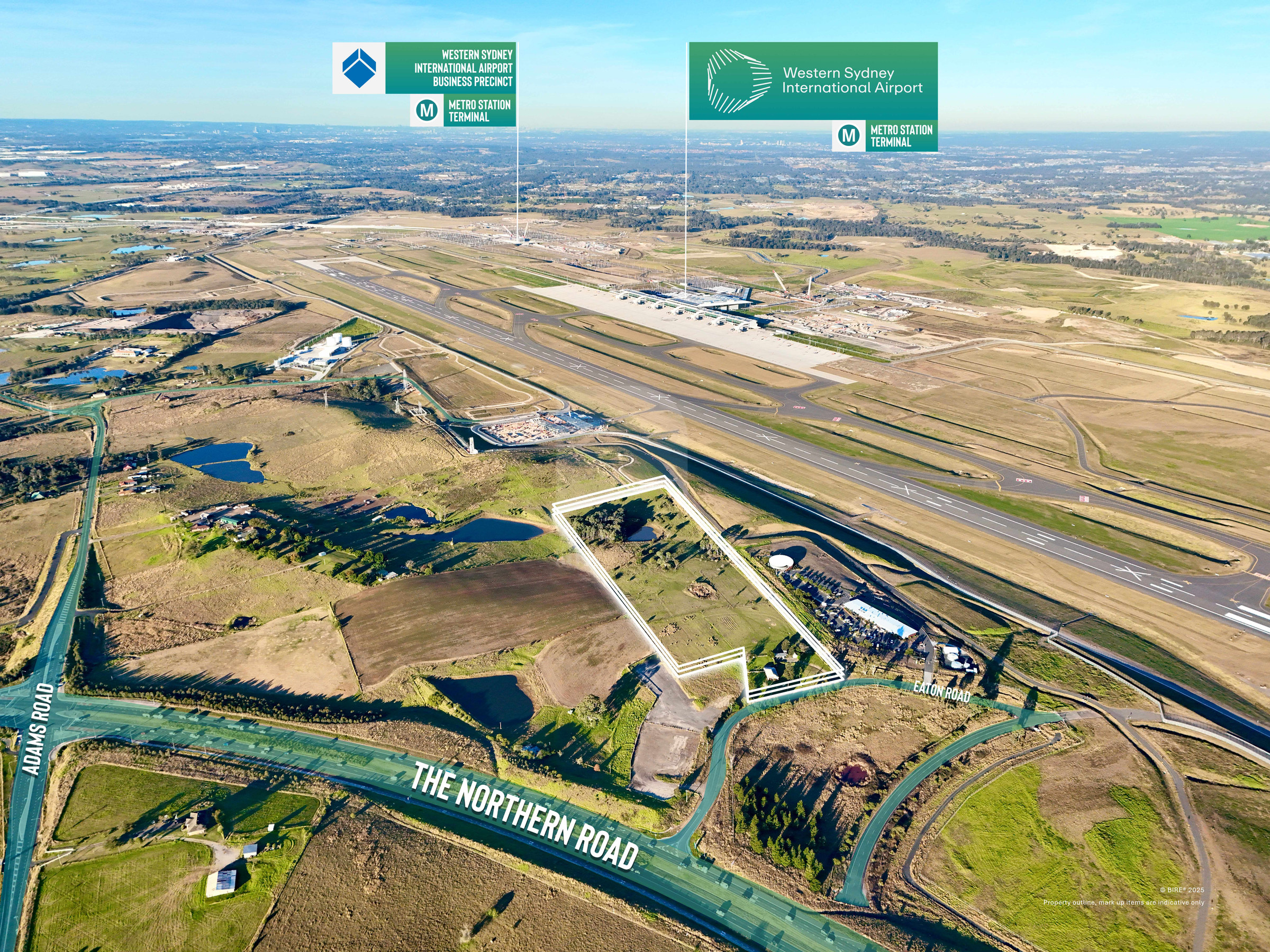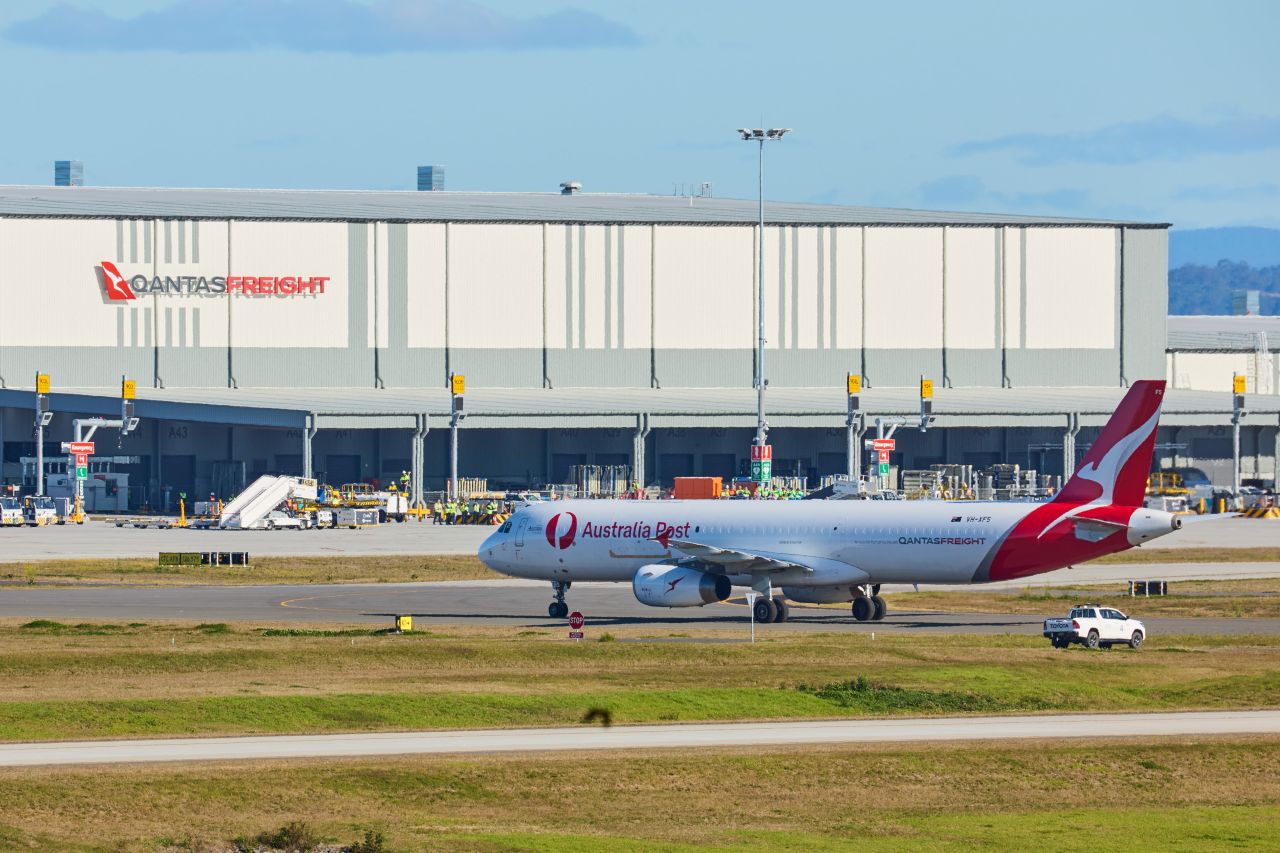
A Qantas Freight A321 touched down at Western Sydney International just after 2pm on Monday. It carried no paying cargo. That is not the point. The point is the date sitting behind it. From 27 July, regular domestic freight starts moving through the precinct, and the terminal is expected to handle more than 850 tonnes of it every week.
The landing was a readiness flight, flight QF7301, and the first freighter aircraft to use the runway at Badgerys Creek. Qantas ran the exercise to test the parts of an air cargo operation that only show up under live conditions: aircraft handling, ground operations, airside coordination and cargo transfer. Acting Minister for Transport Kristy McBain called it the largest plane to land at Western Sydney International Airport so far. Those systems now have a confirmed operator running them. The precinct has moved from construction to commissioning.
The Anchor Tenant Is Now Operating
Qantas Freight will run its Western Sydney operation out of a 24,000-square-metre terminal, the largest single facility in the WSI Cargo Precinct. From 27 July it begins scheduled domestic freighter services, feeding a network that connects Sydney with Melbourne, Brisbane, Perth and beyond. The A321 that landed on Monday, registered VH-XF5, carries up to 28 tonnes across its main deck and lower hold. Multiply that across a weekly schedule and the 850-tonne figure stops looking abstract.
The detail that changes the economics sits in the operating hours. WSI runs 24 hours a day with no curfew. Sydney Kingsford Smith cannot. For a business built on overnight flying and next-day delivery, that difference is not marginal. It is the reason operators chose this address. Qantas has said the facility will give its freight network greater flexibility and help it meet growing demand for e-commerce and time-critical deliveries. Curfew-free operation is what makes that possible.
220,000 Tonnes, Three Operators, One Precinct
Qantas is the first of three to fly, not the only one committed. Menzies Aviation and dnata have both locked in facilities in the same precinct, at 22,500 square metres and 5,000 square metres respectively. At full operational capacity the three combine for roughly 220,000 tonnes of annual air freight throughput. That is close to a third more air freight capacity than Sydney handles today, concentrated in one location west of the city.
Monday's landing is the moment that pipeline stopped being a set of signed agreements and started being an operating airport. Qantas is on the ground first. The other two follow into a precinct that is already live.
"The phones have already changed. For two years we were fielding questions about when the airport would open. This week the questions became which sites sit closest to the cargo terminal and how fast a tenant can be operational. That shift, from a project people are watching to one they are trying to get into, is what a live anchor tenant does to a market."
- Nick Estephen, Co-Founder & Director, Bradfield International Real Estate
The Tenant Demand That Follows
Air freight pulls a specific class of occupier into its orbit. Pharmaceutical distributors managing temperature-controlled stock. Perishables handlers working to short viability windows. E-commerce fulfilment built around next-day delivery. Advanced manufacturers running just-in-time supply lines. None of these businesses can operate at a general distance from the aircraft. Proximity to a live cargo hub is a fixed condition of how they work.
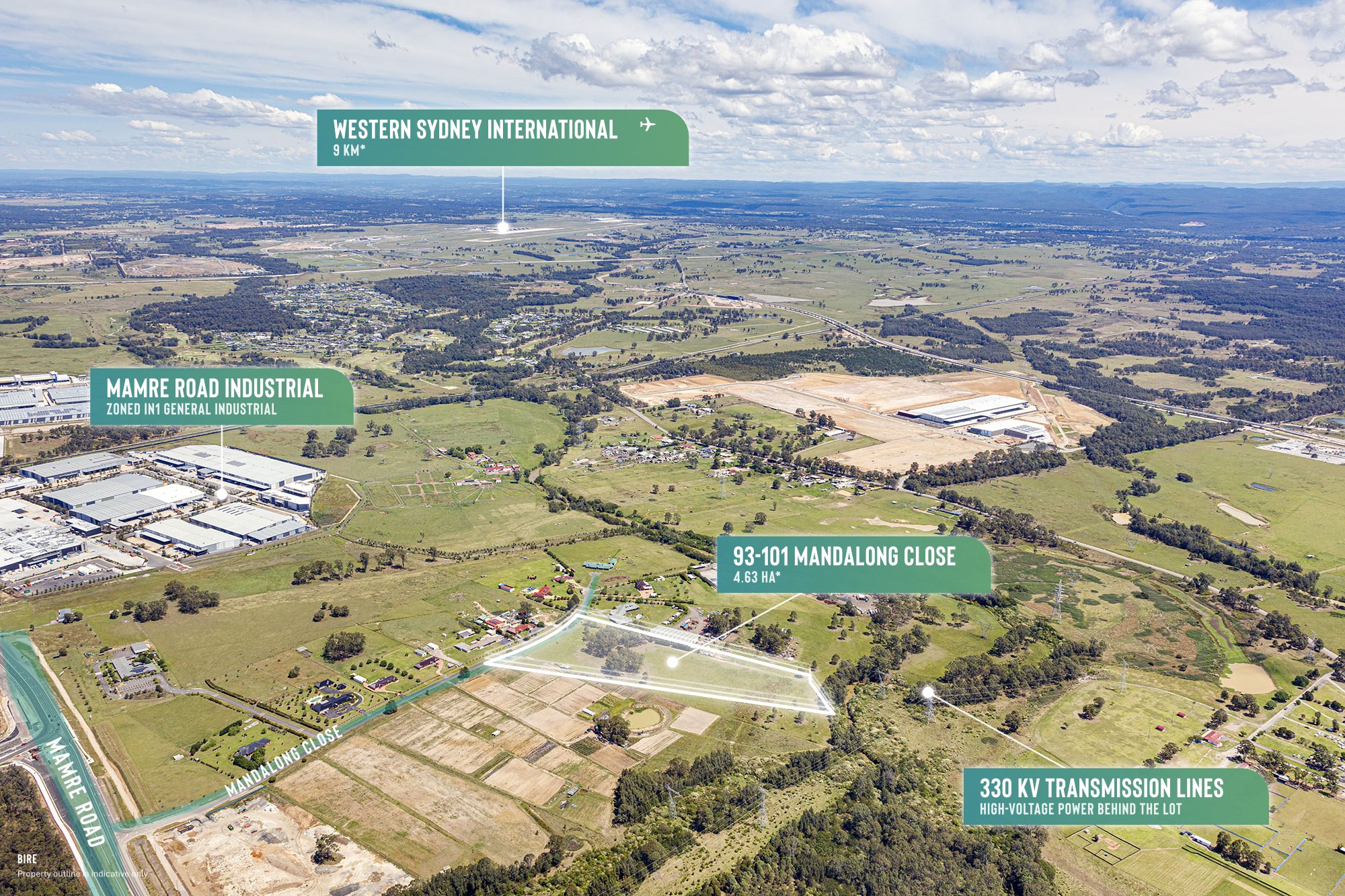
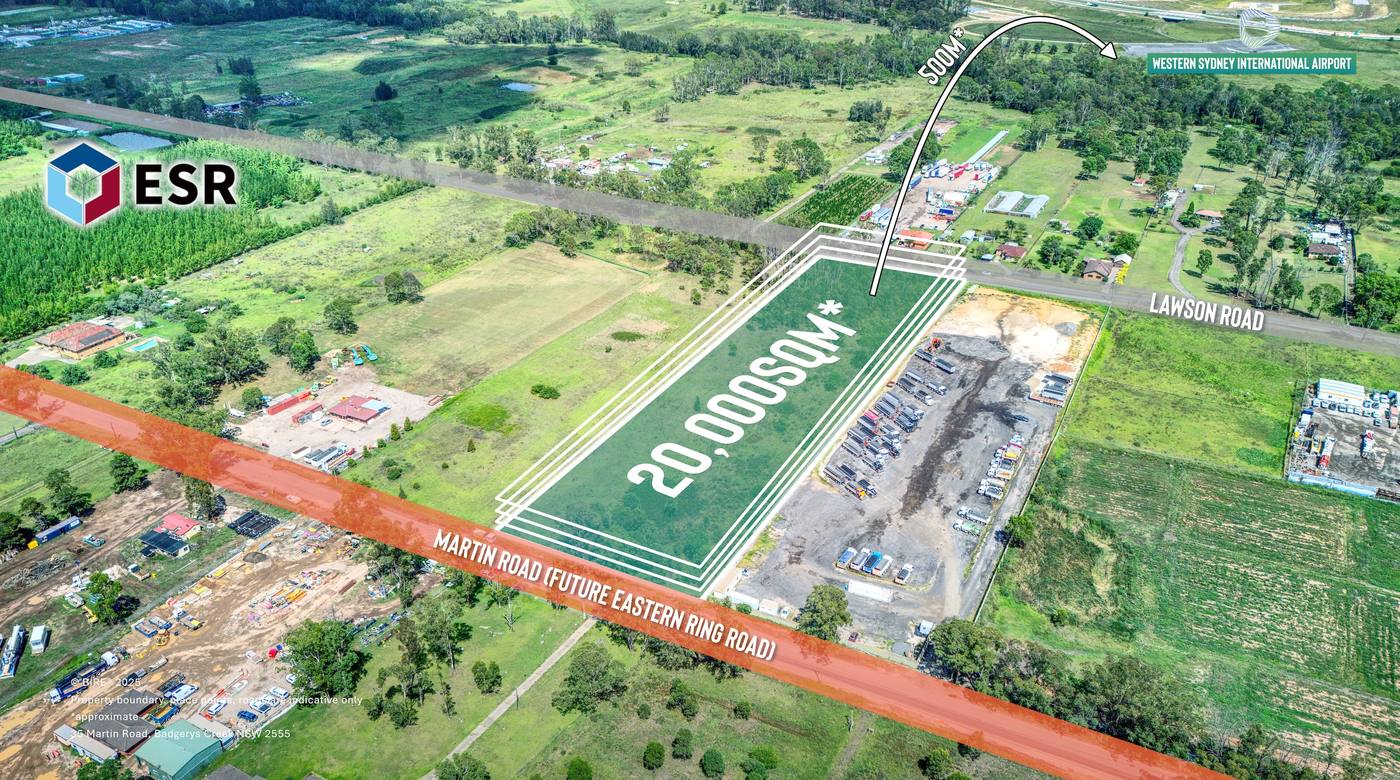
The industrial precincts around Western Sydney International already hold what those occupiers need: large flat sites, motorway access through the M12, and now a cargo precinct with a confirmed operator moving freight. What most industrial analysis on this corridor has not done yet is price the land against a hub that is running rather than one under construction.
"Land in this corridor is still being valued on a construction timeline. The models assume an airport that opens at some future date. That assumption is now wrong. The terminal is moving freight, and the industrial land beside it has not yet repriced to reflect it. That gap between what the land is worth against a live hub and what it is currently priced at is narrow, and it closes the moment the wider market catches up."
- Thomas Mosca, Co-Director, Bradfield International Real Estate
What the Corridor Should Be Watching
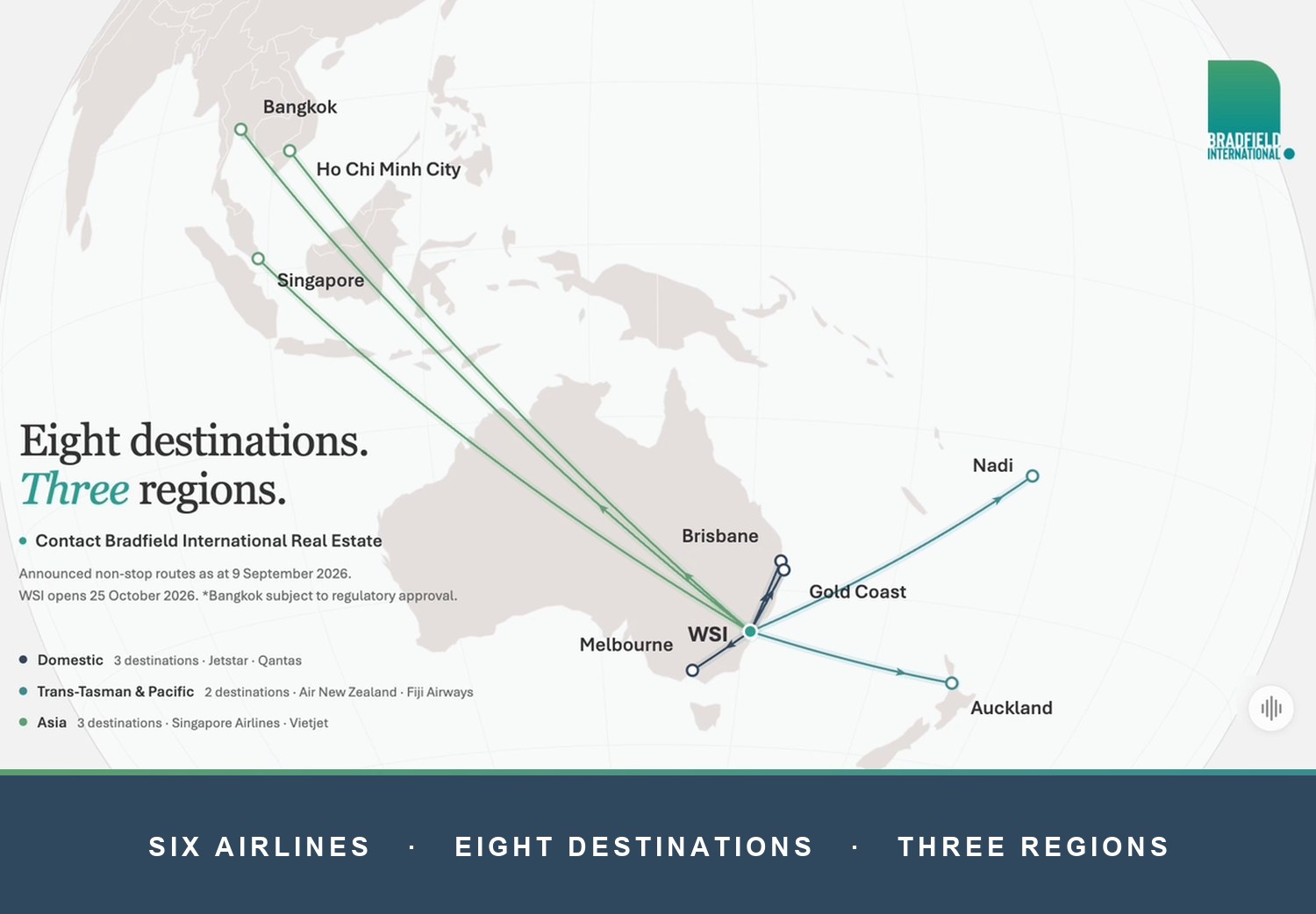
Passenger flights are still months away. Jetstar operates the first commercial passenger service from Western Sydney International on 25 October 2026, with Qantas passenger flights following in March 2027. That sequencing is the part most investors miss. The freight infrastructure that anchors tenant demand in the surrounding industrial corridor begins operating before the airport enters public awareness as a passenger facility. By the time the broader market is paying attention to the terminals, the cargo precinct will already have moved several tonnes of freight.
For anyone weighing property in the Western Sydney employment corridor and Aerotropolis precinct, a freighter has landed and a start date is set. The infrastructure question is settled. What remains open is timing - and whether you are positioned before the wider market reprices, or after.
To discuss property in the Western Sydney employment corridor and Aerotropolis precinct, contact:
Nick Estephen: 0488 748 186
Thomas Mosca: 0423 086 593