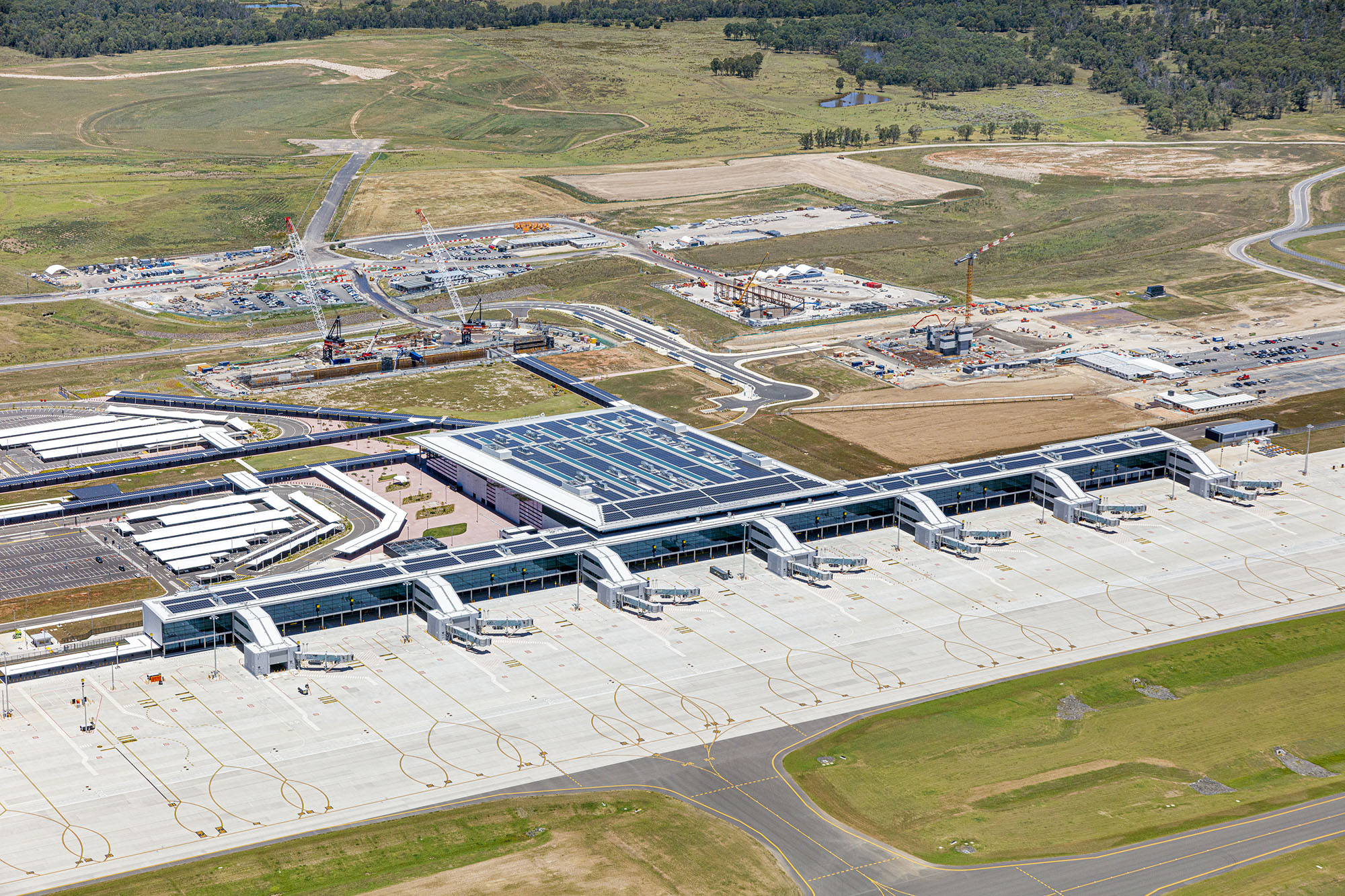
Sydney's aviation landscape is set for a structural shift, with passenger flights at Western Sydney International Airport (WSI) confirmed to commence in late October 2026.
The milestone marks the operational transition of Australia's first new major greenfield airport in decades. Cargo operations are scheduled to begin in July, with passenger services to follow just months later, activating a key pillar of the broader Western Sydney Aerotropolis.
Launch Airlines Signal Market Intent
Four carriers have been confirmed as foundation partners:
- Qantas
- Jetstar
- Singapore Airlines
- Air New Zealand
Qantas and Jetstar will operate domestic services, while Singapore Airlines and Air New Zealand will anchor initial international routes. Singapore Airlines is expected to connect Western Sydney directly to Singapore's Changi Airport, providing access to an extensive global network, while Air New Zealand will link to Auckland.
The early airline mix suggests a dual strategy: stimulating outbound leisure demand while establishing immediate international connectivity. Budget carriers are widely expected to play a significant role in early passenger volumes, particularly across Asia-Pacific leisure markets.
Competitive Dynamics in the Sydney Aviation Market
The opening of WSI introduces a structural shift in Sydney's aviation landscape. Incumbent operators at Sydney Airport are already responding, with expansion plans designed to strengthen capacity and competitive positioning.
Market analysts anticipate increased competitive pressure among domestic carriers. Jetstar's expected scale of operations may prompt a response from Virgin Australia to maintain market share in Western Sydney's growing catchment.
In its initial phase, Western Sydney International is forecast to handle 8.4 million passengers annually by 2030, expanding to 19.3 million by 2045. By comparison, Sydney Airport projects passenger volumes of approximately 72 million annually by 2045, underscoring that WSI will complement rather than immediately rival the existing airport's scale.
Rail, Roads and Regional Connectivity
The airport's launch sits within one of the most significant infrastructure programs in NSW history.
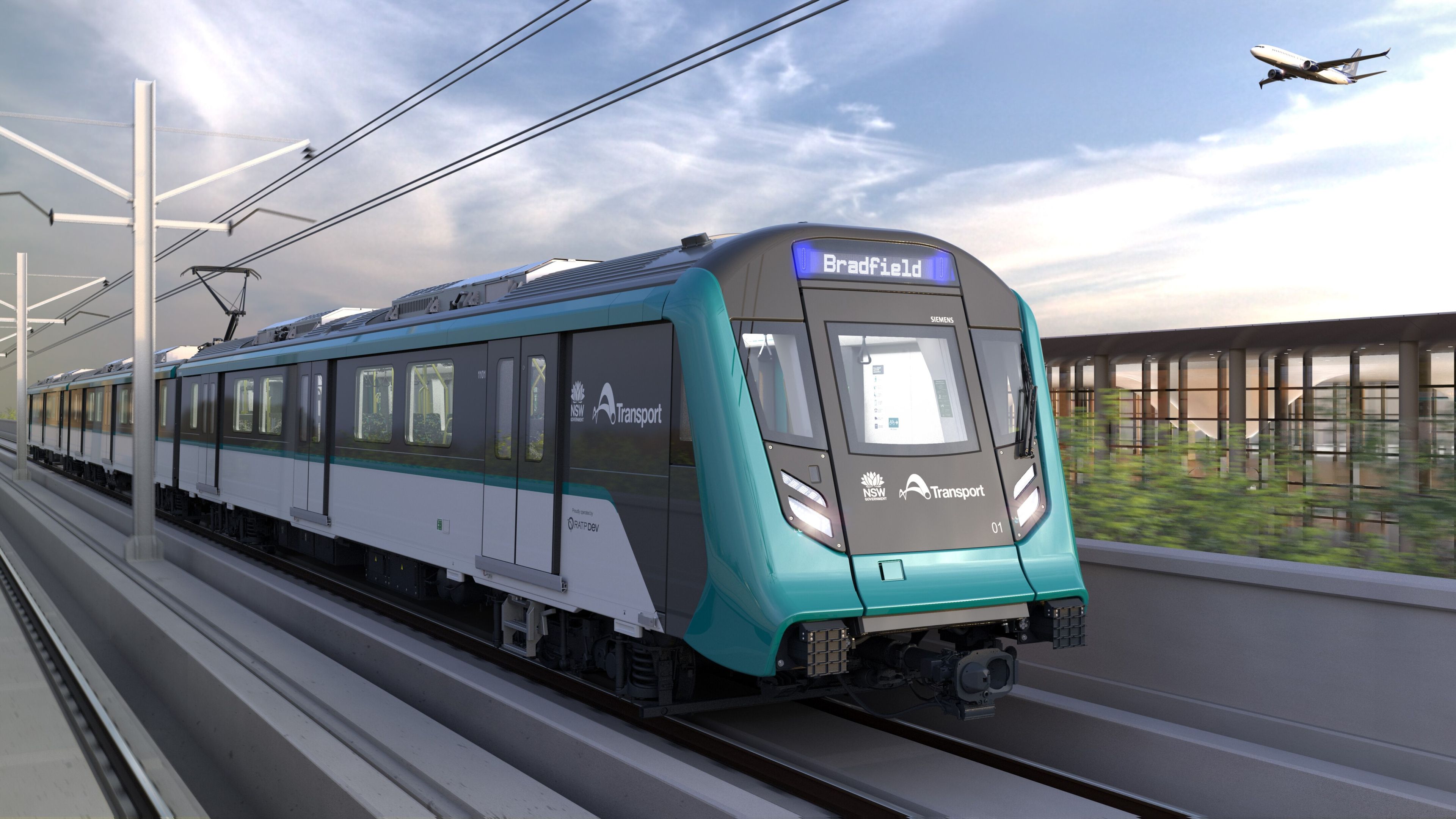
A critical component is the Sydney Metro, Western Sydney Airport line, a new metro rail link connecting the airport to St Marys and the broader Sydney Trains network. While delivery timelines have shifted, the metro will ultimately provide high-frequency, rapid transit access between the airport, Bradfield City Centre and surrounding precincts, a key factor in long-term commercial viability.
Road connectivity is also being substantially upgraded. Major projects include:
- M12 Motorway - a new east–west motorway linking the airport to the M7
- The Northern Road Upgrade - expanded capacity along a key north–south corridor
- Mamre Road Upgrade - supporting freight and industrial growth
Together, these upgrades materially improve freight efficiency and passenger accessibility, strengthening the airport's role as both a logistics hub and employment catalyst.
Bradfield City Centre and Employment Precincts
Adjacent to the airport, the NSW Government is delivering Bradfield City Centre, Australia's first new city in over a century. Positioned as the Aerotropolis commercial and innovation core, Bradfield is planned to accommodate advanced manufacturing, research institutions, education providers and high-value employment uses.
The broader Aerotropolis planning framework also includes dedicated precincts for advanced manufacturing and aerospace, agribusiness and food production, logistics and warehousing, and defence and high-tech industries. Early private-sector projects, including large-scale industrial estates, are already responding to the certainty provided by the airport's confirmed operational date.
Competitive and Economic Implications
The activation of passenger flights formalises Western Sydney's emergence as a second aviation gateway for Australia's largest city. For airlines, it introduces competitive tension in domestic and international route planning. For logistics operators, the commencement of freight services in July materially enhances supply chain resilience.
Importantly, the airport operates without a traditional curfew, enabling 24-hour freight and late-night passenger departures, a structural advantage in both cargo efficiency and international connectivity.
From an investment perspective, the move from construction phase to live operations often represents a psychological inflection point. Infrastructure certainty tends to accelerate surrounding development activity, tenant commitments and capital deployment across industrial, commercial and mixed-use assets.
What This Means for Property in the Airport Corridor
Western Sydney International Airport is more than a transport project; it is the anchor of a multi-decade economic strategy. The integration of aviation capacity, metro connectivity, motorway investment and master planned employment precincts positions the Aerotropolis as one of the most significant growth corridors in the country.
With ticket sales expected to be released within weeks and cargo operations beginning mid-year, Western Sydney is entering its operational era, transitioning from infrastructure delivery to active global gateway.
For developers, occupiers and investors, the message is increasingly clear: the Aerotropolis is no longer theoretical. It is about to open.
BIRE is actively marketing properties in the airport corridor, including 16 Kelvin Park Drive, Bradfield and 1383–1411 Elizabeth Drive, Kemps Creek — both strategically positioned to benefit from the airport's activation and surrounding infrastructure investment.
Bradfield International Real Estate share their vision of the Western Sydney International Airport:
“The commencement of passenger operations at Western Sydney International Airport marks a pivotal moment for the Aerotropolis and the broader Western Sydney market. As infrastructure transitions from delivery to operation, we typically see a measurable uplift in occupier confidence, transaction activity and long-term capital deployment. The airport’s activation provides tangible certainty for businesses considering expansion into the region and reinforces Western Sydney’s position as one of Australia’s most significant growth corridors.”